
My father’s memorial service was last weekend. The event was wonderful, bringing together friends and family I hadn’t seen in decades. It was heartwarming to see colleagues, neighbours, Canadian family, Indian family, American family share their fond recollections of him. That evening, colleagues, my uncle, my childhood best friend and I got into a discussion of Greek antiquity so spirited that it felt like my father Jayant was still in the room.
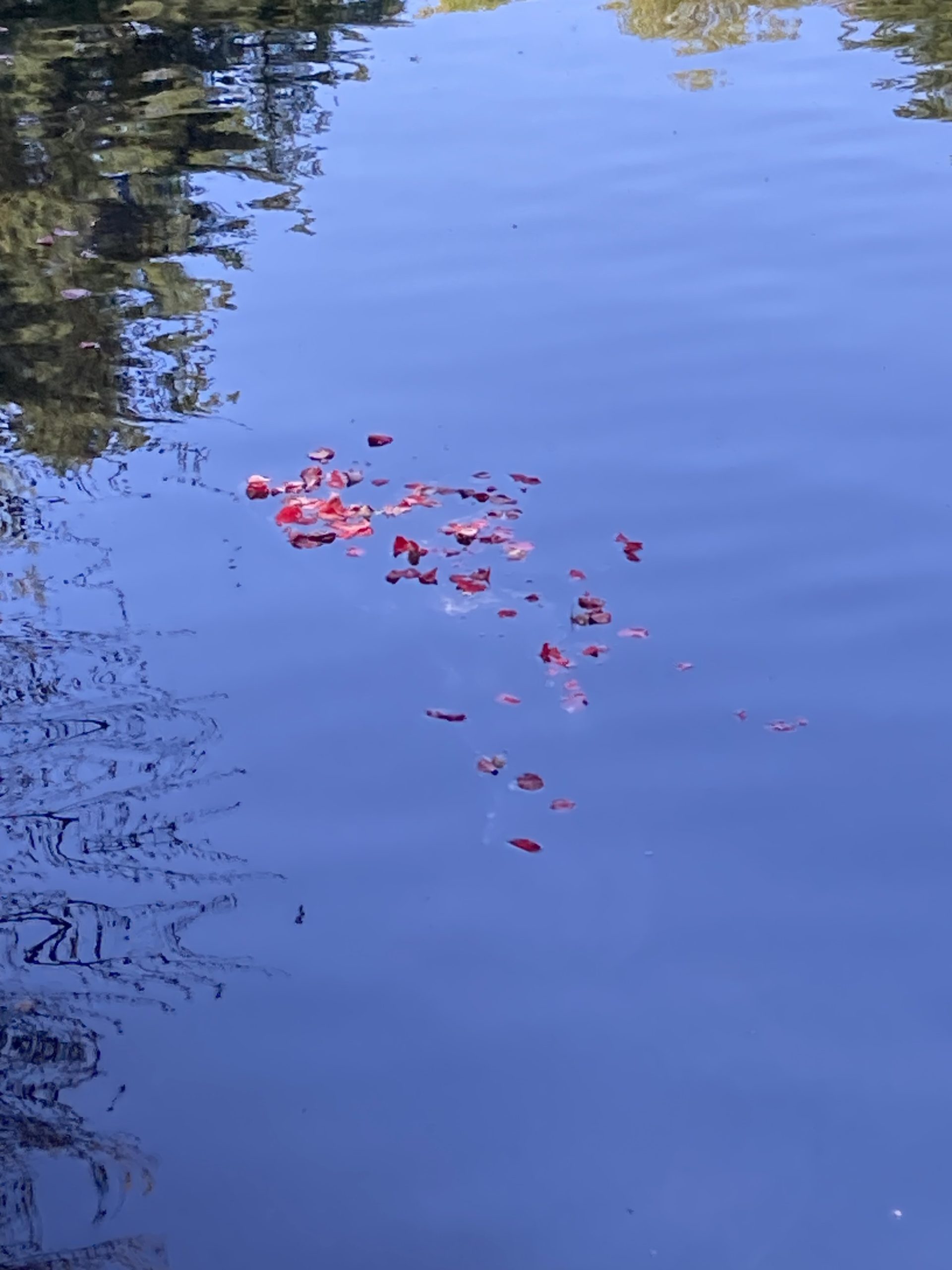
I was asked to deliver readings for the event. I was happy to do it; the challenge was finding something right for him, in his spirit. We scattered his ashes over Milk Lake, the small lake he loved where we had a cottage and I spent many weekends of my childhood. There, I chose a reading from Dnyaneshwar: a medieval poet-saint from Jayant’s home state of Maharashtra, whose devotional (bhakti) poetry was foundational for Jayant’s native Marathi language in the way that Dante was for Italian or Shakespeare for English. (“Dnyaneshwar” is the phonetic spelling of his name in modern Marathi; it means “lord of knowledge” and in Sanskrit would be transliterated “Jñāneśvara”. For English-speakers it can roughly be pronounced “nyah-NAY-shwar”.) Jayant grew up with Dnyaneshwar and came to write about him more as an adult. I found a beautiful passage from Dnyaneshwar’s main work, a commentary on the Bhagavad Gītā, which felt like it had the right feeling for scattering ashes on the water:
Continue reading